Profit Margin vs Markup: The Difference That Quietly Sets Your Prices
Two fractions, one profit
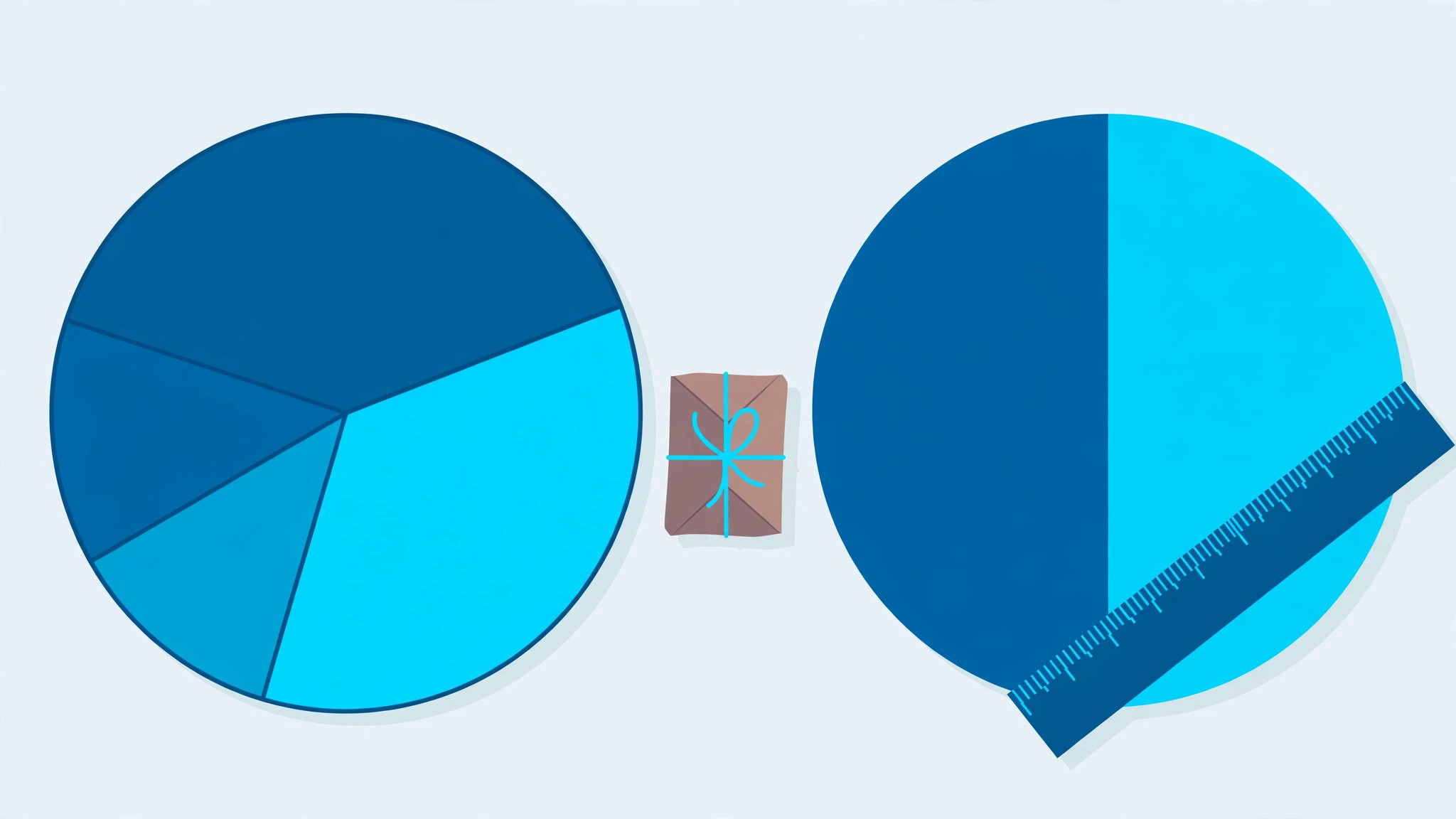
Margin and markup start from the same two numbers, cost and price, and divide the profit by different things. Margin divides profit by the selling price: it answers what share of each sales dollar is profit. Markup divides profit by the cost: it answers how much was added on top of cost. A product that costs $30 and sells for $50 makes $20 of profit either way. Its margin is 20 divided by 50, which is 40 percent. Its markup is 20 divided by 30, which is 66.7 percent. Same product, same profit, two very different percentages, and both are correct. The trouble starts when a seller uses one word and means the other, because the numbers drift far apart as they grow.
Why the confusion costs money
Marketplaces, lenders and accountants all speak in margin, because margin connects directly to the share of revenue a business keeps. Sellers often think in markup, because it feels natural to add a percentage to a cost. The expensive mistake is setting a price by markup while believing it is margin: a seller who wants a 40 percent margin and applies a 40 percent markup to a $30 cost prices at $42, and actually earns a margin of 28.6 percent. Across a catalogue and a year, that gap is the difference between a business that funds its own growth and one that cannot work out where the money went. Fees deepen the trap, because marketplace percentages are also taken from the price, so they belong in margin thinking, not markup thinking.
Rules of thumb for converting
A few anchor points make conversion quick. A 50 percent markup gives a 33.3 percent margin. A 100 percent markup, doubling the cost, gives a 50 percent margin. A 25 percent margin needs a 33.3 percent markup, and a 40 percent margin needs a 66.7 percent markup. The general conversion is simple: margin equals markup divided by one plus the markup, so a markup of 0.5 becomes 0.5 divided by 1.5, a third. When a supplier or a video quotes a percentage, ask which one it is before you use it. The margin and markup calculators on this site show both figures side by side for any cost and price, so you can check a price in the language the other party is using. A quick self-test protects you in supplier conversations: if someone offers goods at a price that lets you double your money, you are being offered a 100 percent markup and a 50 percent margin, before fees. If your plan needed a 50 percent margin after fees, you now know the doubling was not enough, and you know it before the order, not after the settlement.
Run your own numbers
The free calculator that goes with this guide:
Check margin and markup on a price