Multichannel Selling Costs: Wider Reach, Honest Arithmetic
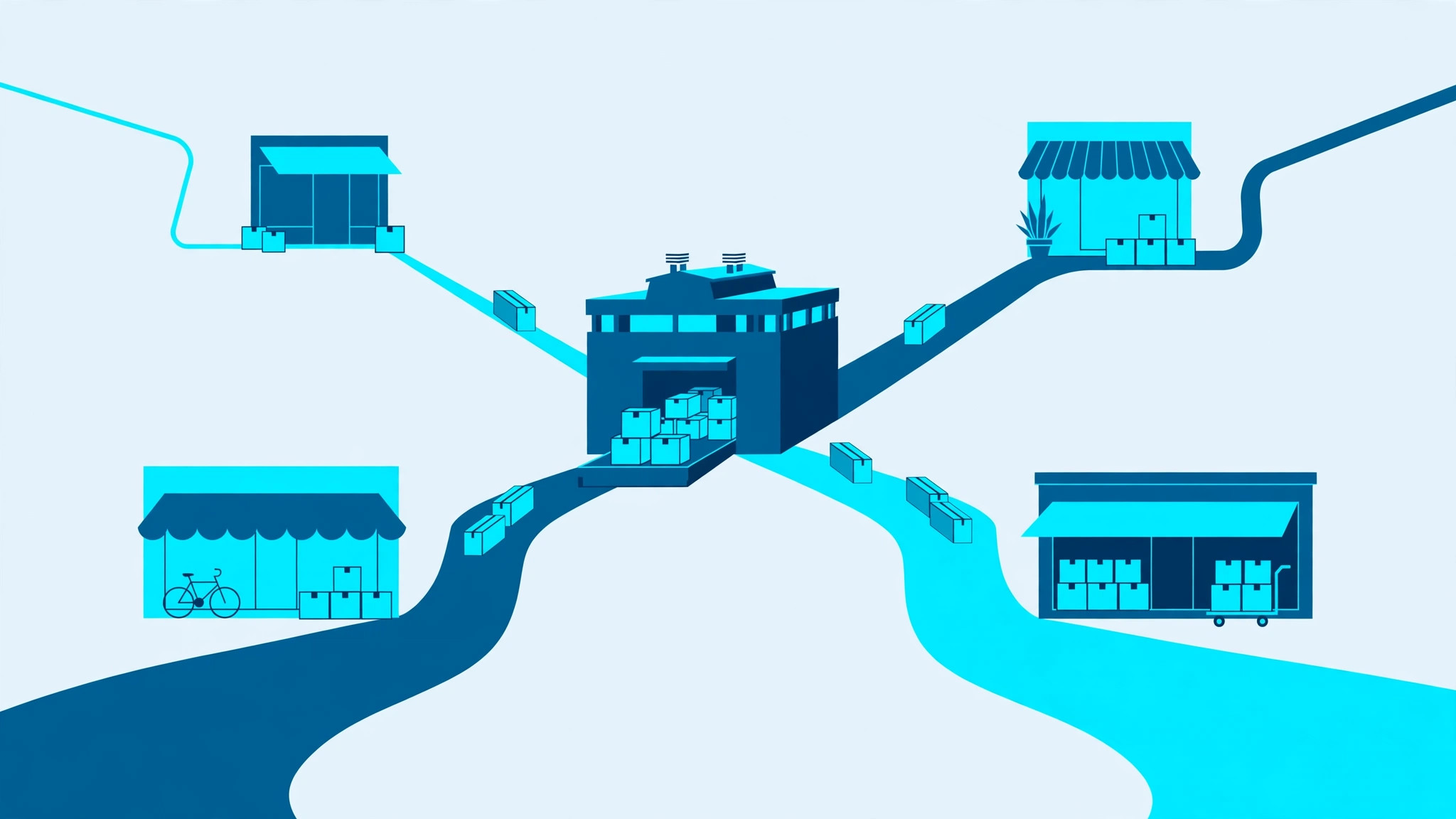
What the second channel really costs
Adding a marketplace looks free: no new stock, the same photos, another stream of orders. The costs arrive quietly. Each channel has its own fee structure to learn and price against, its own listing format and policy rules, its own performance metrics that can penalise the whole account, and its own settlement rhythm that complicates the cash picture. Stock held in one place must be promised carefully to several storefronts, because overselling across channels is the classic multichannel accident. None of this forbids expansion; it argues for sequencing. A channel added before the first channel's unit economics are known imports unknown margins into a second dashboard, and the seller ends up busy everywhere and profitable nowhere in particular.
Pricing per channel, not once for all
The same product rarely carries the same price everywhere, because the fee stacks differ: a percentage on the total including tax here, a subscription model there, fulfilment fees on one channel and your own shipping on another. Price per channel from that channel's stack, using the dedicated calculators, and accept the differences rather than forcing one price to fit every fee table. Where a marketplace's pricing rules or your brand promise require parity, the binding constraint is the most expensive channel, and the others simply enjoy a better margin. Keep a per-channel profit line per product, reviewed monthly: channels reveal themselves quickly when the numbers are separated, and the channel that looks biggest on revenue is often not the one making the money.
Expand on evidence, in order of fit
The evidence that justifies a new channel is a product with proven demand, a known true margin, and operations that can absorb more orders without breaking dispatch times. Expand in order of fit for the product, not order of channel size: the marketplace where your category is strong and its buyers already search. Give each new channel a probation period with a defined test: a set of products, a season, and a profit threshold it must clear to stay. Retiring a channel that fails the test is not defeat; it is the system working. Multichannel done this way compounds: each channel adds orders at a known margin, and the business grows wider without growing vaguer. Multichannel done by enthusiasm compounds only the dashboards. Keep one master stock figure and let every channel draw from it, with a small safety reserve subtracted from what each storefront is allowed to promise. The reserve feels like lost sales on your best day and like genius on the day a channel surges unexpectedly, which is precisely the day overselling would have happened.
Run your own numbers
The free calculator that goes with this guide:
Compare channels before you expand