LTV to CAC Explained: The Ratio, the Benchmark and the Payback
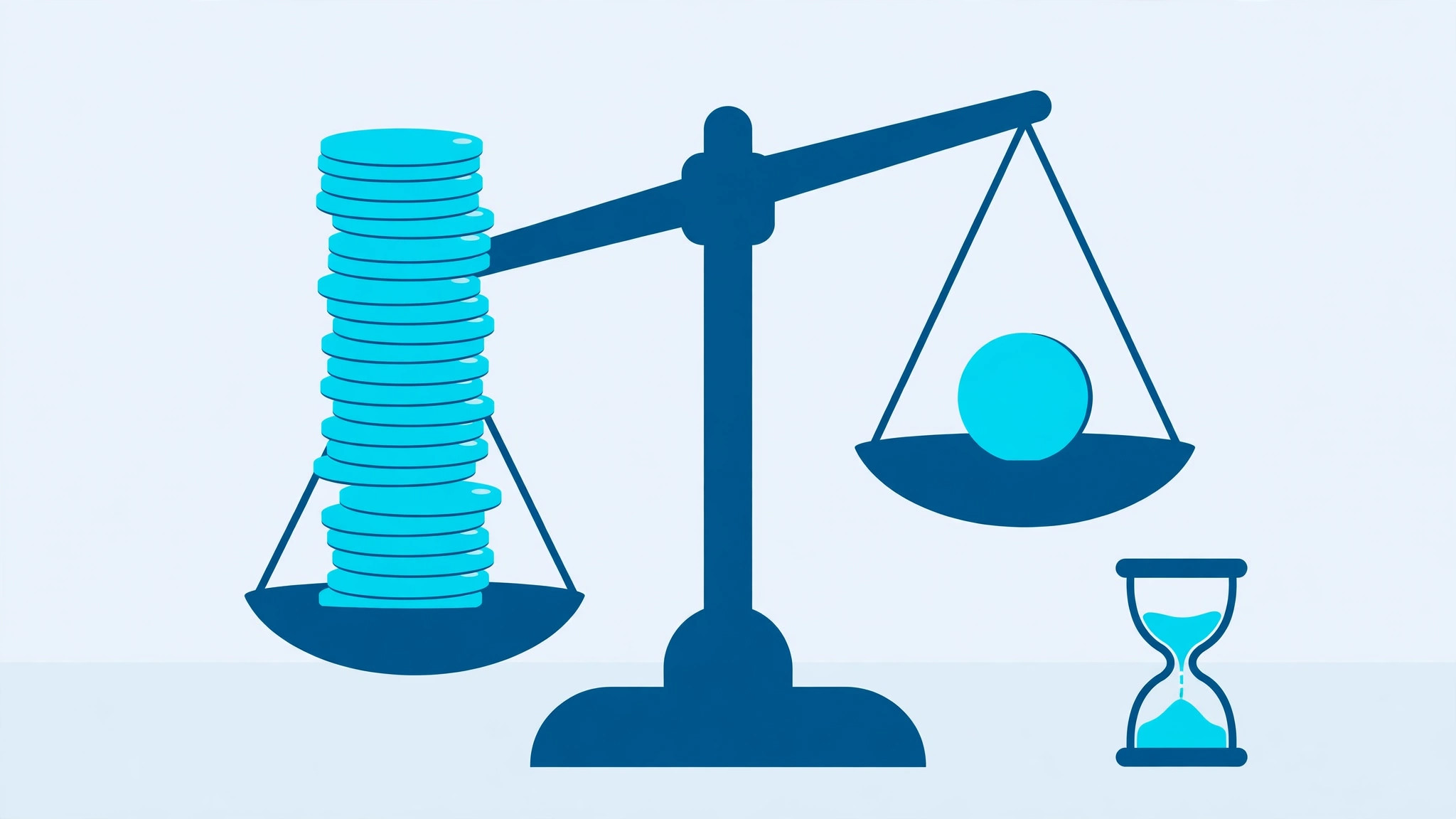
One ratio, two truths
Divide lifetime value, after margin, by customer acquisition cost and you get the return on your growth spending. At $144 of LTV and $25 of CAC, the ratio is about 5.8 to 1: every dollar spent winning customers returns nearly six dollars of gross profit over their lifetime. Below 1 to 1, growth destroys money with every customer it adds. The commonly quoted healthy benchmark is around 3 to 1, but it is a rule of thumb, not a law: it assumes the business must also cover its overheads and profit from the same gross margin, and it says nothing about timing. The ratio calculator on this site therefore shows a second figure beside the ratio, the payback period, because the two together describe what either alone cannot.
Payback: when the money comes back
A wonderful ratio paid back over three years can still sink a small store, because the CAC is spent today and the LTV arrives in instalments. Payback divides the CAC by the margin a customer produces per month: at $25 of CAC and $12 of monthly margin, the acquisition cost is recovered in about two months, which most stores can fund. At eighteen months, growth consumes cash faster than operations generate it, and the store must slow down, raise money, or shift spend to channels with faster payback even at a worse ratio. Judge growth plans on both numbers: the ratio for efficiency, the payback for survivability. A slightly worse ratio with a much faster payback is often the right choice for a business funding itself.
Using the pair to steer spend
With ratio and payback per channel, budget decisions get clearer. Channels strong on both deserve more spend, tested in steps because CAC rises as audiences saturate. Channels with a good ratio but slow payback suit periods of strong cash flow. Channels weak on both are not fixed by more creative or more spend; the offer, the margin or the audience is wrong. Recheck quarterly, because both figures drift: auctions inflate CAC, and retention work lifts LTV. The stores that scale calmly are the ones that know, per channel, what a customer costs, what they return, and when. Everything else is hoping with a budget. Revisit the pair whenever you change prices, because a price rise lifts LTV without touching CAC, and a rise in return rate cuts LTV without any announcement. The ratio is a living figure. Stores that treat it as a one-time calculation are steering by a photograph; stores that refresh it quarterly are steering by the road.