Inventory Turnover Explained: How Hard Your Stock Is Working
The calculation and what it means
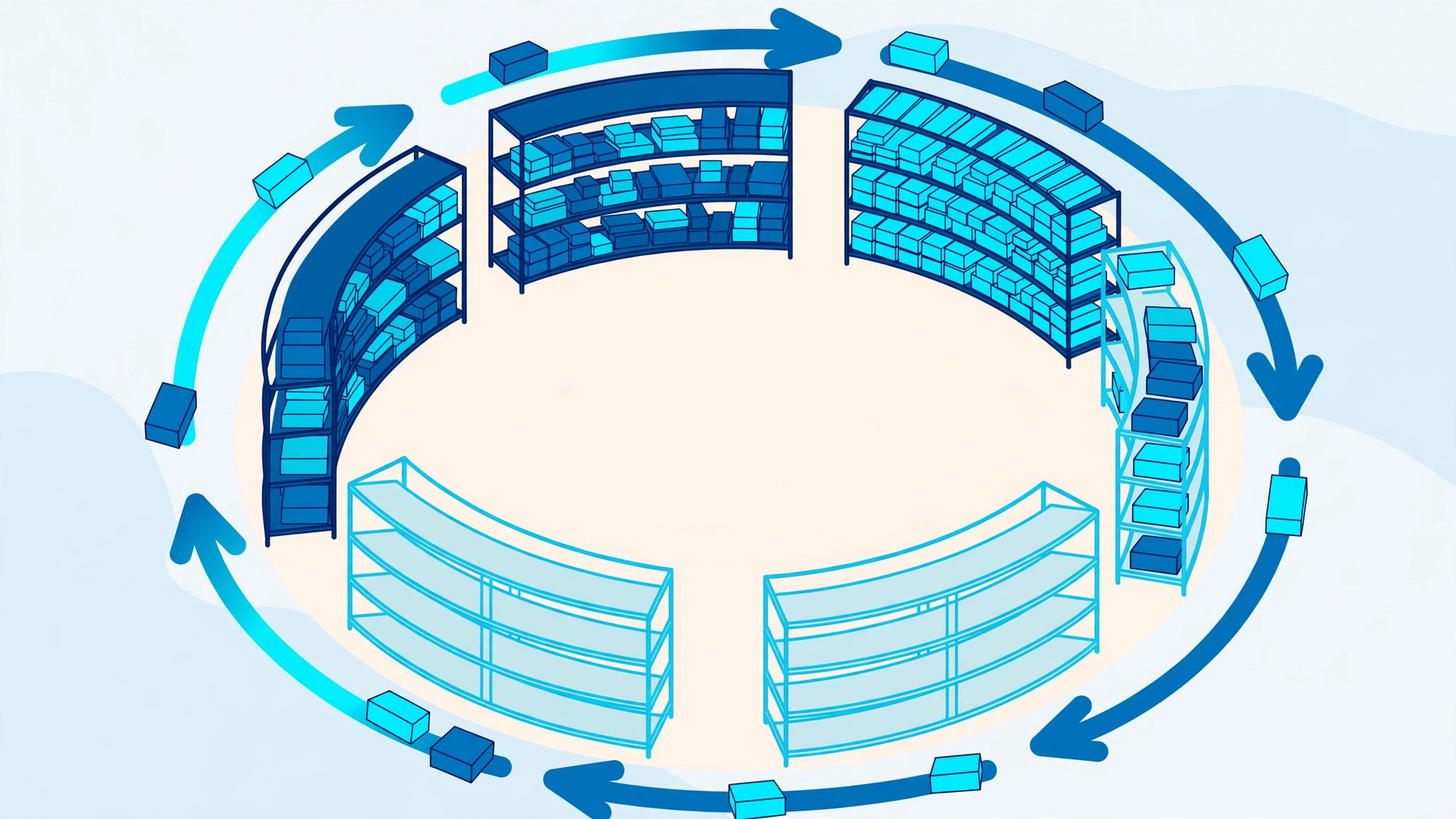
Inventory turnover divides the year's cost of goods sold by the average value of inventory held. If you sold $240,000 of stock at cost while holding an average of $40,000, your turnover is six: the stockroom effectively emptied and refilled six times in the year. Dividing 365 by the turnover gives the average days a unit sits, 61 days in this example. Both figures translate directly into cash: every point of turnover releases money that was parked on shelves, and every extra day of sitting adds storage cost and risk. The turnover calculator on this site produces both numbers from your cost of goods sold and average inventory, which your accounts or a stock count can supply.
What good looks like depends on the goods
There is no universal healthy turnover. Grocery and consumables turn fast by nature; furniture and jewellery turn slowly and can still be sound businesses, because their margins are built for the wait. The useful comparisons are against your own history and against the logic of your category: is turnover rising or falling, and does the margin compensate for the speed? A slow product with a fat margin may be a fine resident of the stockroom. A slow product with a thin margin is a loan you made to your supplier, repaid in small instalments if it sells at all. Read turnover per product or per category, not just for the whole store, because the average hides the tail of near-dead stock that drags the cash position down.
The two traps: too slow and too fast
Slow turnover traps cash and quietly adds storage fees, insurance, damage and obsolescence; seasonal stock that misses its season can lose most of its value in weeks. The remedies are buying discipline, smaller test orders, and clearing early while the stock still has most of its value. Fast turnover has a trap too: if shelves empty between deliveries, the missing sales never appear in any report, and a very high turnover can mean chronic understocking of your best lines. The balanced store watches turnover beside availability: high turnover with high availability is efficiency; high turnover with frequent stockouts is rationing. Set reorder points from the days figure, and let the trend, reviewed monthly, steer order sizes. Calculate turnover on a rolling twelve months rather than a calendar year if your trade is seasonal, so a strong quarter is not hidden by the quiet one before it. And when you present the business to a lender or a buyer, expect them to ask for this figure early: it is the fastest honest summary of how well stock is managed.
Run your own numbers
The free calculator that goes with this guide:
Calculate your inventory turnover