Dropshipping Margins Explained: Thin Slices, Thick Discipline
The model's real shape
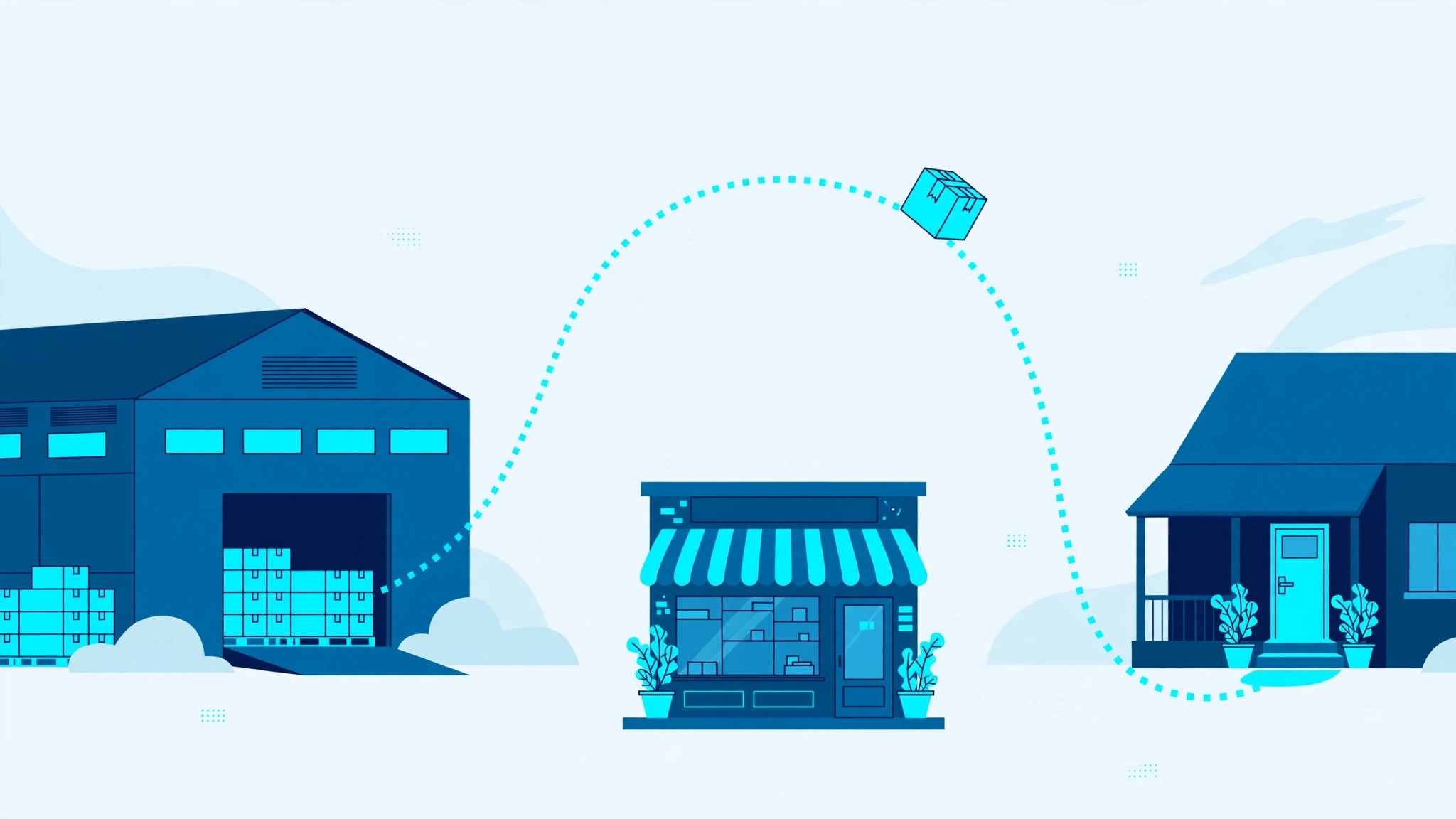
Dropshipping, where the supplier ships directly to your customer, removes the two costs sellers fear most: buying stock and storing it. In exchange it takes the two things that protect margin: a wholesale cost advantage and control of shipping. Your product cost is close to a retail cost, your shipping is the supplier's retail postage, and your delivery times are the supplier's too. What remains is a thin slice between the supplier's total and your selling price, out of which marketplace fees, payment processing, advertising and refunds must all be paid. The model is not impossible; it is unforgiving. Every percentage point of fees matters, which is why dropshippers live or die by the fee calculators: at these margins, the difference between a 15 percent fee base and one that includes shipping is the whole profit.
Where dropshippers actually make money
The viable versions of the model share traits. They sell products where curation, presentation or bundling adds value the supplier's own listing does not: a thoughtfully assembled kit, a niche selection, instructions and service in the buyer's language. They negotiate supplier terms once volume proves out, converting retail postage into something closer to a trade rate. They keep advertising ruthlessly targeted, because broad traffic at thin margins is a bonfire. And they choose channels whose fee structure fits: a fixed monthly store cost at volume can beat per-sale marketplace percentages, or the reverse at low volume. What does not work is the advertised fantasy of listing a catalogue at a markup and collecting the spread; the spread is where the fees, the ads and the refunds already live.
The risks that are not in the brochure
Dropshipping concentrates risk in places the seller does not control. Stock information from suppliers lags, so you will sell items that are not there. Delivery times stretch, and the marketplace holds you, not the supplier, responsible for them, in ratings, in performance metrics and sometimes in account health. Returns travel back through you to a supplier who may not want them. None of this is hidden; it is simply absent from the highlight reels. Manage it deliberately: test-order from every supplier yourself, keep a margin buffer for the refunds you cannot recover, track supplier reliability like a scoreboard, and hold enough reserve to survive a bad month. Thin-margin models are legitimate businesses when they are run with thick discipline.
Run your own numbers
The free calculator that goes with this guide:
Check the margin on a dropshipped product